KWAL Hosts Women Leaders at Tatu City Factory
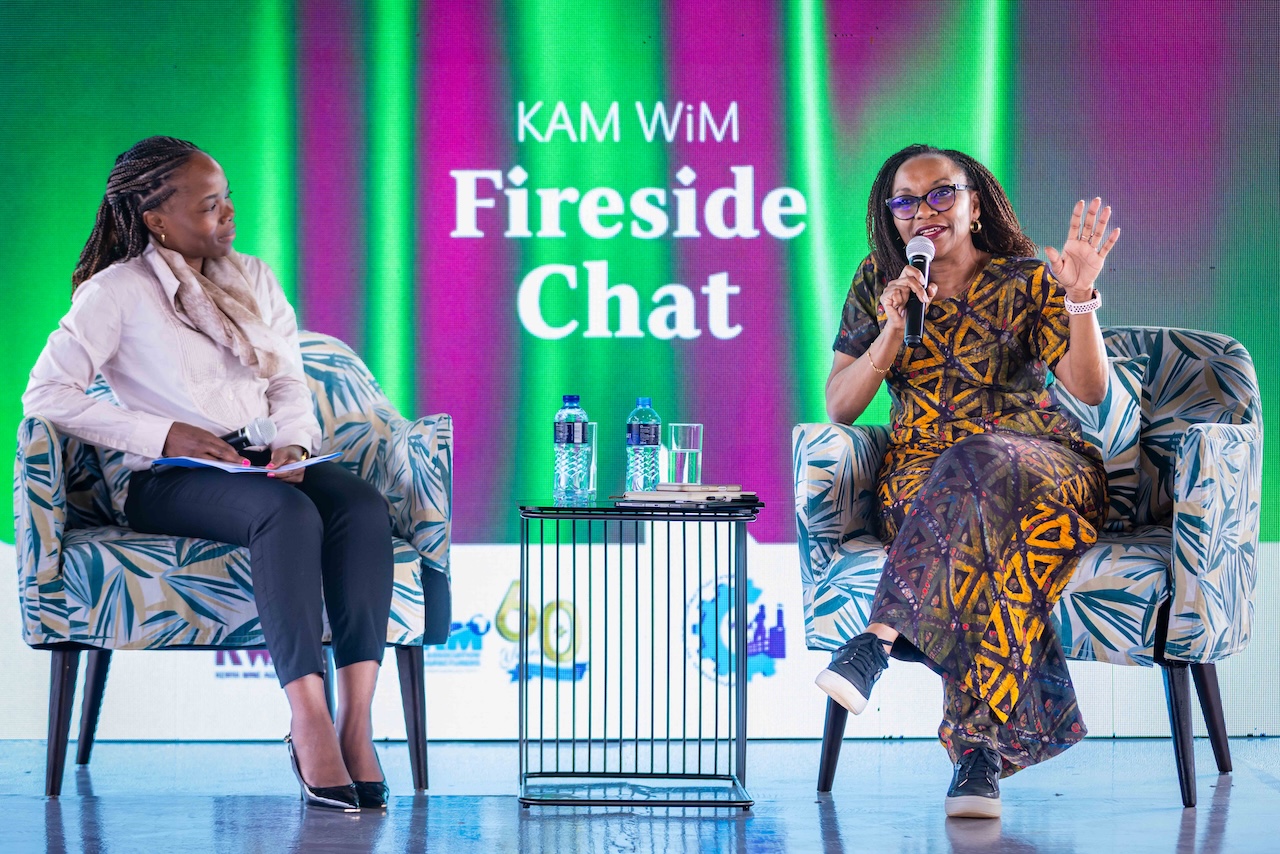
More than 50 female executives and industrial leaders visited KWAL’s Tatu City manufacturing facility during the 10th edition of the Kenya Association of Manufacturers’ Women in Manufacturing industry series.
Kenya’s ambition to raise manufacturing’s contribution to GDP to 20% by 2030 will require more investment, stronger industrial capacity and greater participation of women in leadership.
That conversation took centre stage on November 3, when Kenya Wine Agencies Limited (KWAL) hosted more than 50 female executives and industrialists at its manufacturing facility in Tatu City.
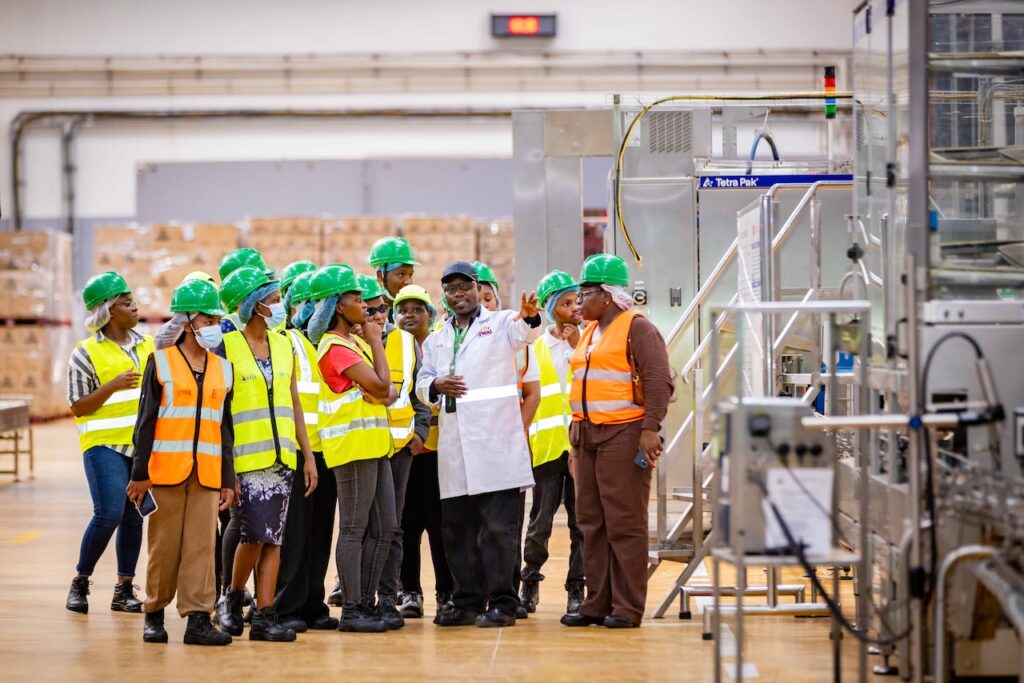
The visit, organised as part of the 10th edition of the Kenya Association of Manufacturers (KAM) Women in Manufacturing (WiM) Industry Visit Series, gave participants an opportunity to examine how a modern manufacturing operation works, from production and packaging to quality control and supply chain management.
The delegation toured KWAL’s production lines before taking part in an executive discussion on leadership, local value addition, regulatory challenges and the changing demands facing manufacturers.
Manufacturing remains an important part of Kenya’s economic ambitions, although its contribution to GDP stands at approximately 7.6%. The government and private sector have set a target of raising this to 20% by 2030.
The sector also supports more than 330,000 formal jobs, alongside millions of livelihoods linked to agriculture, distribution and other supply chain activities.
For KWAL, the visit provided an opportunity to highlight the role of local manufacturing in supporting economic growth and developing industrial expertise.
Speaking during the engagement, KWAL Managing Director Lina Githuka said investment in modern production facilities and inclusive leadership would be important in achieving Kenya’s industrialisation ambitions.
“Local manufacturing is not just about output; it is the cornerstone of sustainable economic transformation, job creation, and foreign exchange preservation,” Githuka said.
She added that manufacturers need to invest in internationally competitive production standards while creating opportunities for women to take up leadership positions across the industry.
The discussions also brought attention to the challenges facing women in manufacturing. Lynda Oluoch, Regulatory and Policy Manager at KAM, noted that women-led enterprises account for roughly a third of micro, small and medium-sized industries in Kenya, but remain underrepresented in core industrial leadership.
The session explored how manufacturers can respond to regulatory changes, adopt sustainable production practices and introduce automation while maintaining employment opportunities.
These issues are becoming increasingly important as Kenyan manufacturers face pressure to improve efficiency, manage production costs and compete in regional and international markets.
KWAL’s Tatu City facility was also presented as an example of investment in modern manufacturing infrastructure. The plant was developed through a multi-billion-shilling investment and operates with automated production systems, environmental management measures and quality control standards.
According to the company, it is the only manufacturer in Kenya to have received EDGE Advanced certification.
The engagement comes as the manufacturing sector looks to attract further investment and strengthen its contribution to Kenya’s economy. It also highlights the importance of bringing more women into the conversations and decisions shaping the country’s industrial future.
For Kenya to achieve its 2030 manufacturing target, the industry will need both modern production capacity and a broader pool of leaders equipped to drive its growth.