How LOOP Biz helps merchants turn everyday transactions into a clearer picture of business performance
At the end of a trading day, a business owner may know how much money came in. But that total does not always explain how the business performed.
The owner may still need to know which payment methods customers used, how sales compared with the previous week, which outlet collected the most and whether the business is maintaining a consistent level of activity.
For merchants who rely on cashbooks, separate payment statements and manually updated records, answering those questions can take time. Information may be spread across different channels, making it harder to assemble a complete view of the business.
Digital transaction records can help bring more of that activity into a format that is easier to review. They can also provide a record of sales over time, which may support operational decisions and form part of the information a lender considers when assessing a business.
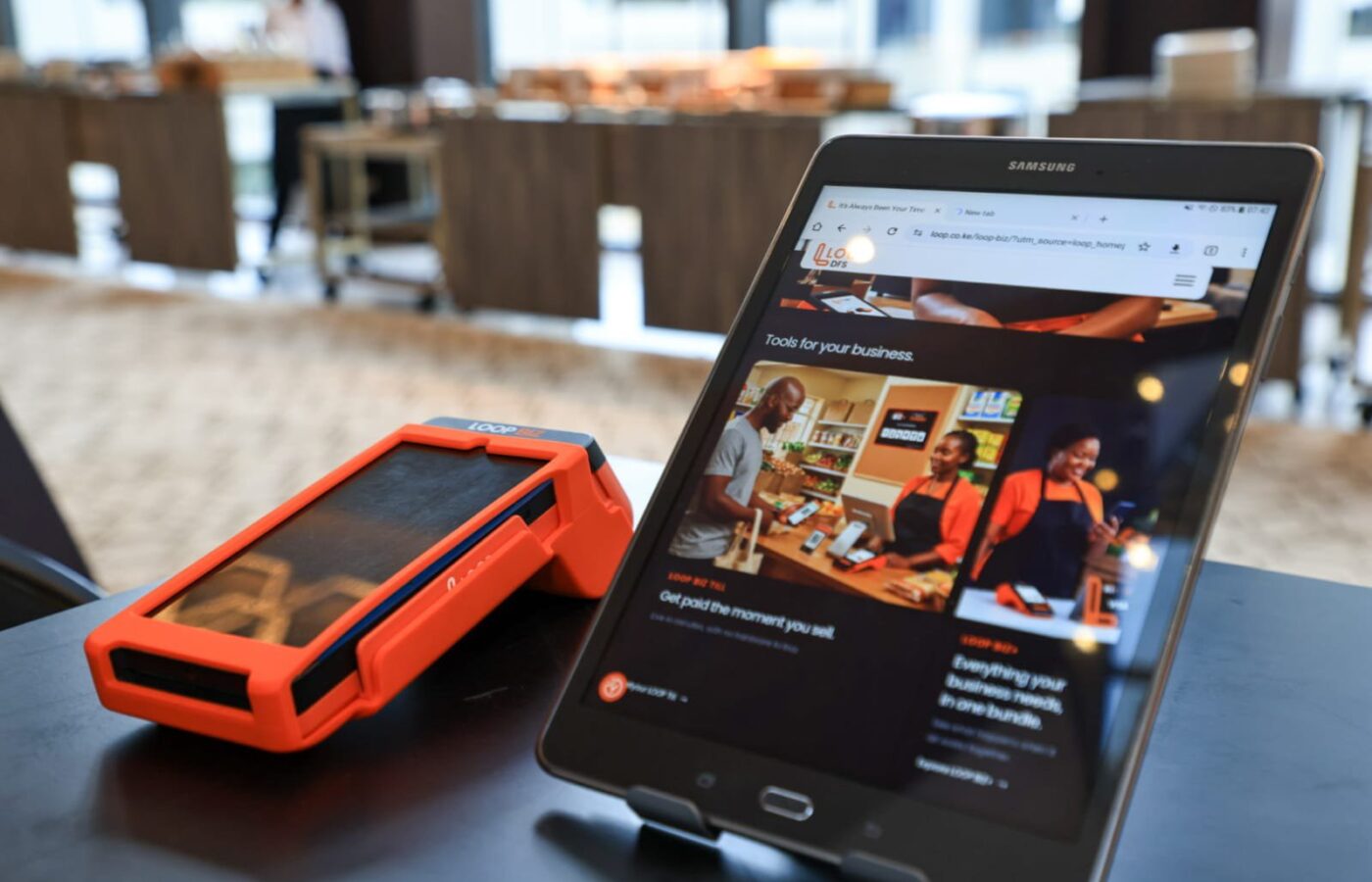
LOOP Biz, NCBA’s merchant platform, brings payment acceptance and business services together. Its role in recording merchant transactions offers a useful example of how everyday sales activity can contribute to a clearer picture of business performance.
A daily total is only the starting point
Knowing how much a business collected is useful, but the total is only one measure of performance.
A retailer may want to compare card payments with mobile money collections, review sales across different outlets or identify patterns in customer purchasing. A business with several employees may also need to understand which transactions were processed at different locations.
When records are held separately, the owner or finance team may need to collect statements and reconcile information before those comparisons can be made.
A digital payment platform can help organise transactions recorded through supported channels. LOOP Biz PDQ, for example, supports Visa and Mastercard chip and contactless payments, M-Pesa Till and Paybill, M-Pesa STK push and LOOP STK push.
For a merchant, having supported payment methods available through the same device can make the checkout process more consistent. The associated business records can also help the merchant review payment activity, subject to the reporting functions available through the platform.
The usefulness of those records depends on what information the merchant can access, how transactions are categorised and whether the business can retrieve reports in a form that supports its accounting processes.
Records can support operational decisions
Transaction information can help a business review how it is performing and identify areas that need attention.
A merchant may notice that collections vary significantly between trading days or that one outlet consistently records more sales than another. A retailer could use those observations when planning staffing, stock replenishment or promotional activity.
The information can also help the owner check whether sales are keeping pace with business expenses. A rise in collections may be encouraging, but the business still needs to consider the cost of goods, operating expenses and the margins earned on sales.
This is why transaction records should be considered alongside other business information. Payment activity shows what has been collected through recorded channels. It does not, by itself, provide a complete picture of profitability, outstanding debts, cash sales or the value of unsold stock.
A more useful view comes from combining sales information with inventory records, expense tracking and other relevant business documents.
Why transaction history can matter to lenders
Digital transaction records can also contribute to how a lender understands a business.
A business seeking financing may need to demonstrate that it is operating and generating sales. When transactions are recorded through a formal payment channel, the resulting history can provide information about the business’s collections over time.
LOOP Biz uses merchant transaction activity as part of its approach to business credit. The platform’s credit-target feature is intended to show merchants the sales activity associated with potential borrowing amounts.
That gives merchants a reference point for understanding how transaction activity may relate to a credit assessment. It also illustrates why consistent business records can be useful beyond the immediate task of reconciling daily payments.
However, transaction volume does not guarantee access to credit. The bank’s assessment may involve other information and eligibility conditions. The LOOP Biz campaign brief identifies business registration, full KYC and an active LOOP Till among the requirements for consideration.
A merchant should also distinguish between collections and the ability to repay a loan. A business can record substantial sales while facing high operating costs or irregular cash flow. Borrowing decisions still need to account for repayment obligations and the terms of the facility.
Bringing payments and inventory records closer together
The value of business information can increase when records from different parts of the operation can be considered together.
LOOP Biz’s inventory management addition is designed to connect stock records with sales made through the PDQ. When the service is active, PDQ sales automatically update the corresponding inventory records.
That link can help a merchant compare what has been sold with what remains available. It can also reduce the need to record every PDQ sale separately in an inventory book or spreadsheet.
For a business managing a larger product range, the ability to monitor quantities and receive low-stock alerts can support purchasing decisions. The merchant still needs to record incoming stock, returns and adjustments accurately for the system to remain useful.
The inventory subscription is listed at KSh1,990 per month before tax in the campaign information, with eligibility and access tied to the relevant LOOP Biz web account.
Building a more complete business record
A business’s records are useful when they help the owner answer practical questions. What is selling? Which payment methods are customers using? How is each outlet performing? Are stock levels keeping pace with demand? Can the business demonstrate its trading activity when seeking financing?
Digital payment systems can contribute to those answers by recording transactions made through supported channels. When combined with other business records, they can give merchants a stronger basis for reviewing performance and planning their next decisions.
LOOP Biz brings payment acceptance, inventory management and credit-related tools into one merchant proposition. The value for each business will depend on the features it uses and the quality of the information it maintains.
For merchants, the starting point is to treat each transaction as part of the business record. Consistent records can make daily reconciliation easier, support better operational decisions and provide information that may be useful when the business approaches a lender. They do not replace sound financial management, but they can give owners more to work with than a daily collection total alone.
Follow us on X, Instagram and Facebook for the latest stories, trends and updates from Nairobi and beyond.