NCBA green financing hits KES 5.6bn as electric transport push grows
From electric vans to solar power, NCBA has put KES 5.6 billion into green financing this year.
Electric vehicles are no longer a novelty on Kenyan roads. The harder question has always been who pays for them. NCBA is putting its hand up with a fast-growing green financing book.
NCBA green financing has reached KES 5.6 billion so far in 2026, according to the bank’s Q3 2026 results released this week. The lender called the third quarter a defining one for its e-mobility push.
During that quarter, NCBA signed financing partnerships with ePure Motion and BasiGo in Kenya and with Kason Motors in Rwanda. The deals cover both individual buyers and commercial operators.
Why NCBA green financing matters
The hardest part of going electric is usually the price on day one. The savings come later, spread over years of cheaper running costs. For a fleet owner or a driver, that gap is often the deal breaker.
That is where lenders come in. By financing both individuals and businesses, NCBA is backing the people behind the wheel as well as the companies running the fleets.
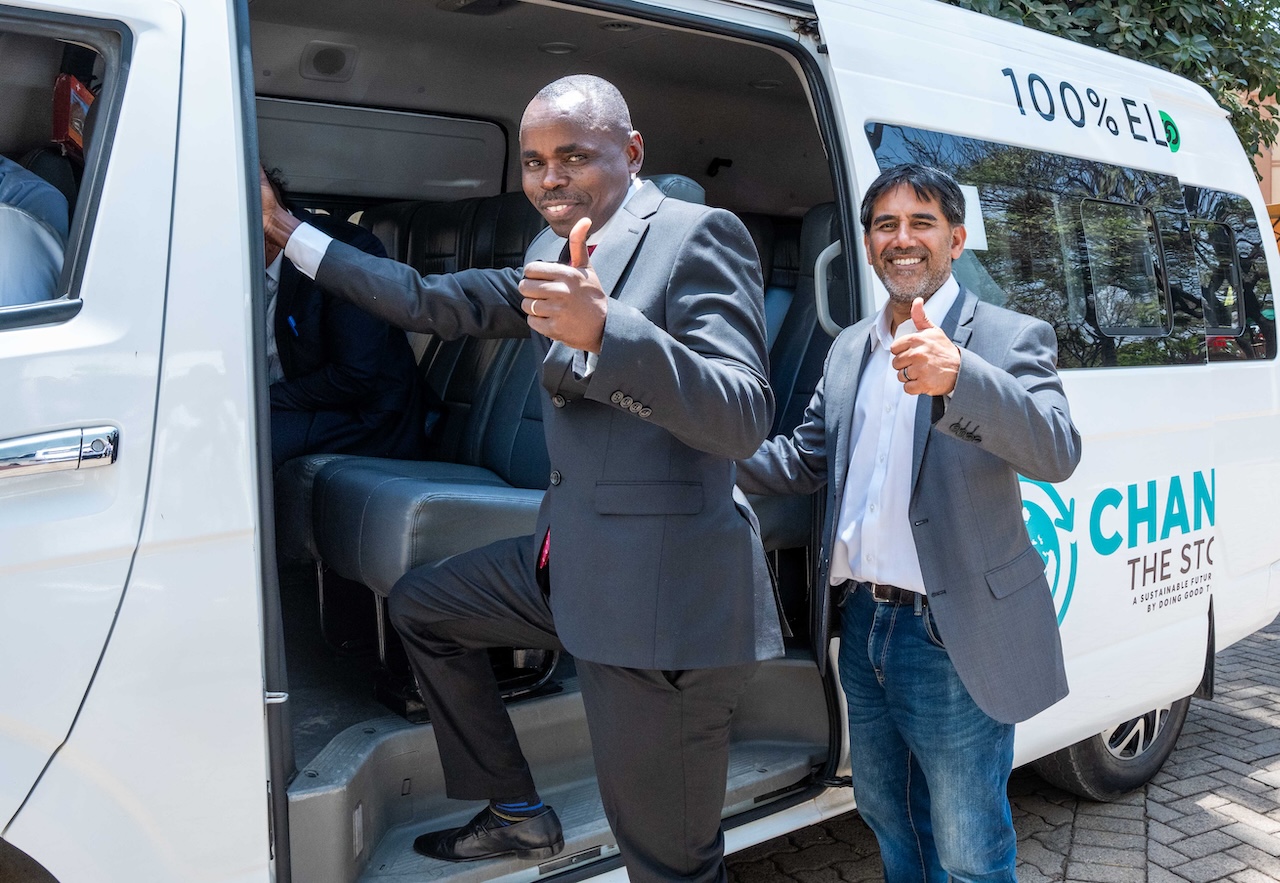
The BasiGo relationship is not new. In August, NCBA and BasiGo partnered to finance 1,000 electric vans in Kenya. The latest deals widen that bet to more players and to a second market in Rwanda.
A bank that drives what it finances
Perhaps the most telling detail sits in NCBA’s own car park. The bank has converted 37 per cent of its corporate fleet to electric vehicles.
It is a small move with a clear message. Asking customers to switch to electric while running a diesel fleet would be a hard sell. NCBA says the change supports its commitment to sustainable operations, the same goal behind its green financing.
Beyond the road
NCBA green financing is not only about vehicles, though. This year, the bank added new partners including the Raha Energies solar financing project in Tanzania.
The push sits under what NCBA calls a shift to a purpose-driven operating model. It also ties into the bank’s 15 Change The Story Sustainability Commitments.
The money behind NCBA green financing
Green loans tend to be long-term loans, so they need a strong balance sheet. NCBA has one. The group made KES 18.8 billion in profit after tax in the first nine months of 2026, up 14.5 per cent. Its capital adequacy ratio stands at 21.4 per cent, well above the 14.5 per cent regulatory minimum.
It also has a new parent. Nedbank Group completed its purchase of a 66 per cent controlling stake on 3 November.
“NCBA is positioned to boldly pursue this growth through its diversified business model and to accelerate outcomes through the backing of Nedbank Group,” said Group Managing Director and CEO John Gachora.
KES 5.6 billion is still a small slice of a KES 744 billion balance sheet. For now, the more telling figure may be the one parked outside NCBA’s own offices, where more than a third of the company cars no longer need a fuel pump.
Follow us on X, Instagram and Facebook for the latest stories, trends, entertainment, technology and lifestyle updates from Nairobi and beyond.
Nairobi Lifestyle. Your City. Your Stories. Your Lifestyle.