NCBA Unveils KES 500 Million WASH Financing for Contractors
NCBA Partners with Lake Victoria Water Agency to Unlock KES 500 Million Financing for Water and Sanitation Contractors
NCBA Bank, in partnership with the Lake Victoria North Water Works Development Agency (LVNWWDA) and Water.org, has unveiled financing solutions worth up to KES 500 million for contractors working in Kenya’s water, sanitation and hygiene (WASH) sector.
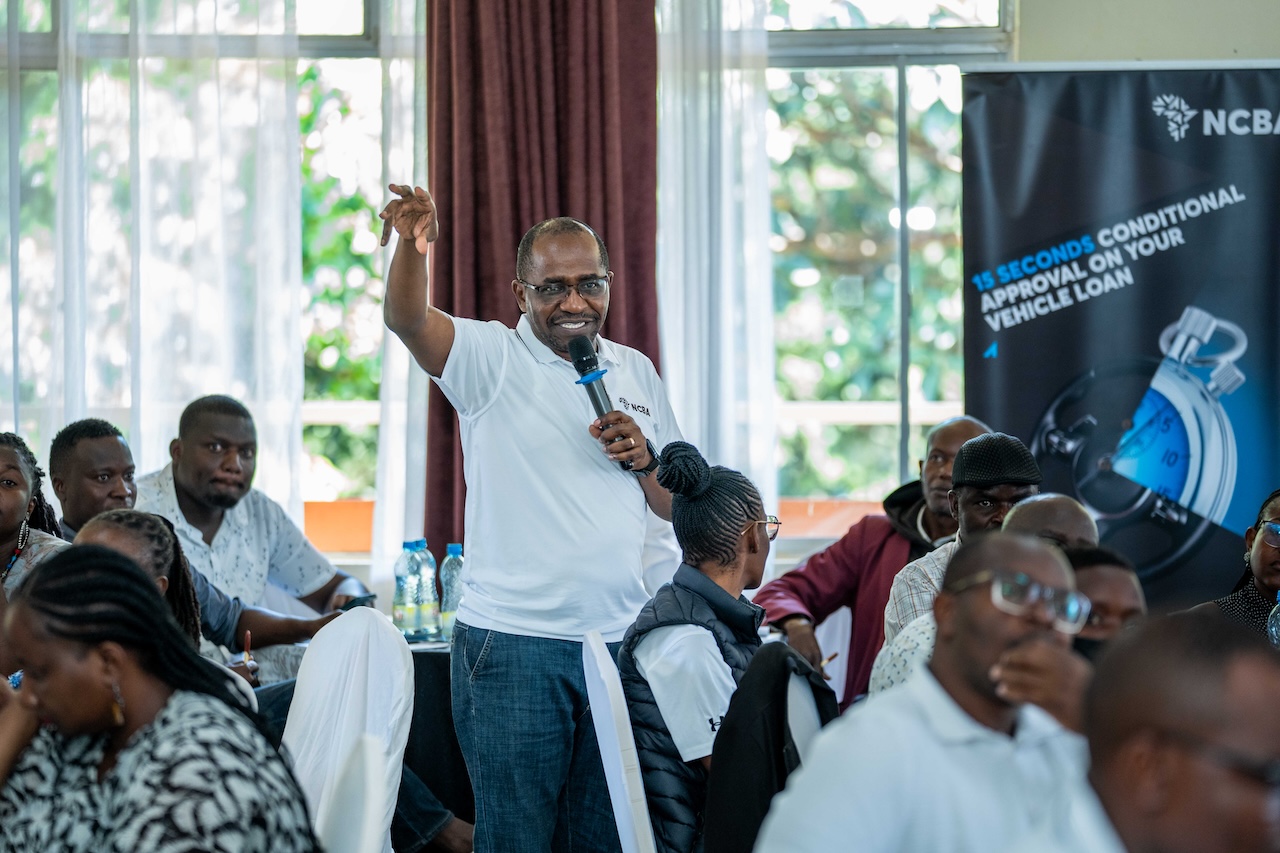
The initiative was announced during a contractor engagement forum in Kakamega that brought together more than 100 contractors to explore financing opportunities aimed at improving project delivery, strengthening contractor sustainability and accelerating infrastructure development.
Through NCBA’s WASH financing programme, supported by Water.org, contractors can access funding ranging from KES 300,000 to KES 500 million. The financing package includes equipment financing for up to 60 months, as well as capital expenditure and project financing for up to 120 months.

In addition, contractors can access up to KES 6 million in financing without traditional collateral requirements by leveraging receivables or awarded project contracts as security.
Speaking during the forum, Dennis Njau, Group Director of Retail Banking at NCBA Bank, said investments in water infrastructure play a critical role in supporting economic growth and community development.
“Water infrastructure remains one of the most critical enablers of economic growth, public health, food security and climate resilience. Through this partnership with Water.org and LVNWWDA, we are providing more than financing. We are building an ecosystem that gives contractors access to the capital, liquidity and financial solutions they need to deliver projects efficiently and sustainably.”
He added that stronger contractor capacity would ultimately contribute to improved access to water and sanitation services for communities across Kenya.
Representing LVNWWDA, Mark Kanda welcomed the collaboration, noting that access to financing remains a key factor in accelerating the delivery of water and sanitation infrastructure projects.
“As we work to expand access to water and sanitation services across our region, strong partnerships between implementing agencies, financiers and contractors are essential. This collaboration will strengthen the contractor ecosystem and support the timely delivery of infrastructure that improves lives and drives economic development.”
Contractors attending the forum highlighted access to affordable and flexible financing as one of the sector’s biggest challenges, particularly for small and medium-sized enterprises that often require working capital before receiving project payments.
Samuel Mukanzi, Managing Director of Barbrican Dimensions Limited, said access to liquidity remains critical for successful project execution.
“One of the biggest challenges contractors in the water sector continue to face is access to financing. Without adequate liquidity, it becomes difficult to mobilize resources, keep projects on schedule and deliver the quality infrastructure that communities need. NCBA’s financing solutions will provide contractors with the support needed to grow their businesses and execute projects more efficiently.”

The partnership reflects the growing role of public-private-development collaborations in mobilizing capital for infrastructure investment and driving sustainable economic growth. Beyond financing projects, investments in water and sanitation infrastructure contribute to improved public health, food security, agricultural productivity and community resilience.
Njau noted that the impact of such investments extends beyond construction projects.
“Every pipeline laid, every treatment facility built and every sanitation project completed creates lasting impact for communities. By strengthening contractor resilience, we strengthen Kenya’s development journey.”
The forum forms part of NCBA’s broader strategy to expand its infrastructure financing portfolio while creating measurable economic, environmental and social impact through targeted sector-focused initiatives.