South C Building Collapse Raises Fresh Questions on Safety and Accountability
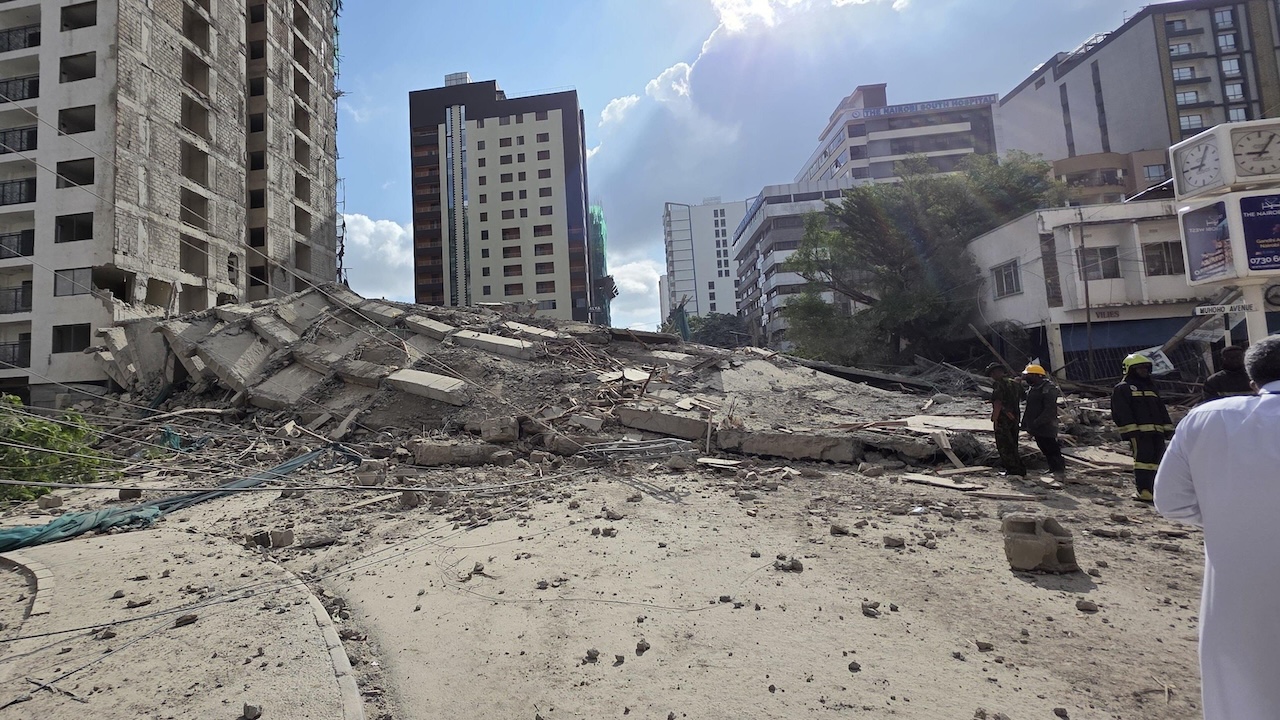
South C Building Collapse: The Questions Nairobi Still Cannot Ignore
The South C building collapse shook Nairobi for a few days. Then, like many public tragedies in Kenya, the noise slowly faded.
But for families who lost loved ones, residents still living beside unstable structures and thousands of Nairobi tenants quietly questioning the safety of the walls around them, the story never really ended.
Months later, some of the most important questions surrounding the South C building collapse remain unanswered. There is still no widely released public investigation report. No clear conclusion that has restored public confidence. No visible closure for victims. And perhaps most unsettling of all, the anxiety around unsafe construction in Nairobi has only grown louder.
That fear is no longer limited to South C.
Across the city, apartment blocks continue rising at remarkable speed. Some appear in spaces that, just a few years ago, could barely support a maisonette. Residents joke nervously about buildings “growing overnight,” but beneath the humour sits genuine concern about approvals, inspections, corruption and whether safety standards are being enforced consistently.
The South C collapse forced many Nairobians to confront a thought they had quietly ignored for years: how safe are the buildings we live in?
A Promise Kenyans Have Not Forgotten
When the building collapsed, senior government officials moved quickly to the scene. Lands, Public Works, Housing and Urban Development CS Alice Wahome publicly promised accountability, stating that “no stone will be left unturned” in investigations into the tragedy.
It was the kind of statement Kenyans have heard after disasters before. Strong. Immediate. Reassuring. But public frustration has grown as months pass without clear communication on the outcome of investigations, possible prosecutions, or broader reforms meant to prevent similar incidents. The silence itself has become part of the public conversation.
For many residents, the concern is no longer only about what happened during the collapse. It is also about what happened afterward.
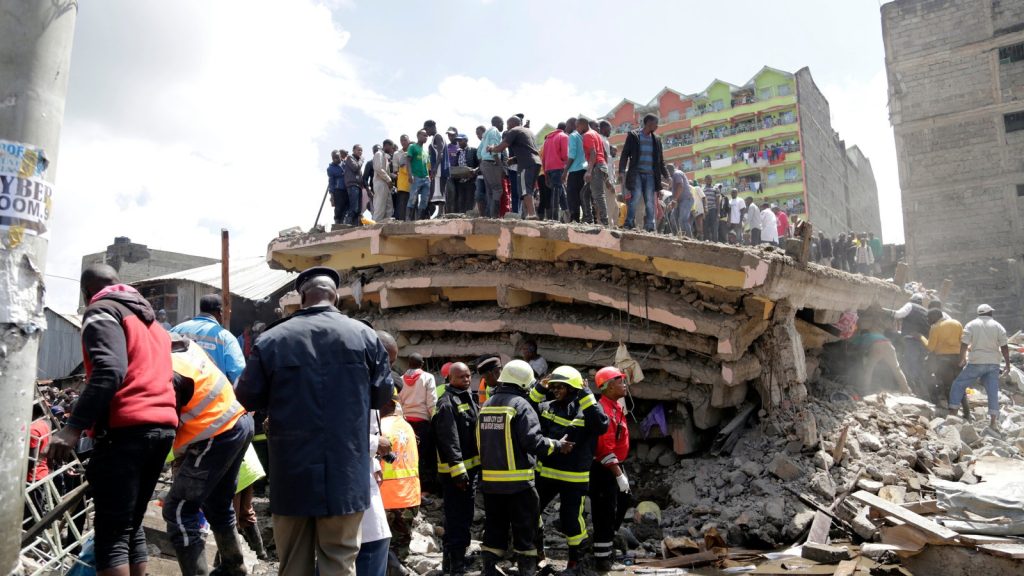
The Questions Around Contractors and Oversight
Part of the public attention surrounding the South C collapse has focused on the individuals and entities involved in the development.
Questions continue circulating around the contractor, the project approvals, inspection processes and whether warning signs may have been ignored before disaster struck.
Reports published by local media indicated that authorities had begun re-inspecting buildings under construction in the area following the collapse. Other reports raised concerns from nearby residents over adjacent buildings and possible structural risks connected to the site.
Those details matter because building collapses rarely happen because of a single mistake.
They are often the result of multiple failures happening at the same time. Design shortcuts. Weak enforcement. Corruption. Ignored warnings. Pressure to build quickly. Officials looking away. Developers chasing profit in a city desperate for housing.
When tragedy finally happens, responsibility becomes difficult to isolate because too many systems may already have failed long before the concrete cracks.
Why This Story Hits Nairobi So Deeply
There is a reason the South C collapse continues to resonate emotionally online months late. Most Nairobi residents live in rented apartments. And almost everyone has a story.
A landlord who ignored visible cracks. Construction happening suspiciously fast next door. Buildings shaking slightly when heavy trucks pass. Water leaks running through walls. Floors that somehow feel uneven.
People discuss these things casually in lifts, on balconies, in WhatsApp groups, and during house visits with friends. Usually with nervous laughter. The South C collapse disrupted that casualness. Suddenly, concerns many people had normalized started feeling real. It became harder to dismiss structural anxiety as paranoia when lives had already been lost.
A City Growing Faster Than Trust
Nairobi’s rapid urban expansion has transformed entire neighbourhoods within a decade. Areas once dominated by standalone homes are now packed with apartment blocks competing for space, tenants and returns.
That growth has created opportunity. But it has also exposed weaknesses in oversight.
The National Construction Authority and county officials regularly conduct inspections and issue notices against unsafe developments. Yet building collapses and structural safety concerns continue appearing across different parts of the country with worrying frequency. That contradiction has deepened public distrust.
Because when unsafe buildings continue to emerge despite existing regulations, citizens naturally begin asking whether enforcement is truly working or whether some developers simply operate above consequence.
The South C collapse now sits inside a much bigger national conversation about governance, accountability, urban planning and the price ordinary Kenyans pay when systems fail.
Why The Public Keeps Demanding Answers
The demand for accountability has persisted because the stakes are deeply personal. People are not discussing abstract policy failures.
They are thinking about their homes.
Their children.
Their rent.
Their daily safety.
And that changes how stories like South C live in the public mind.
Every delayed answer creates more suspicion.
Every unexplained silence weakens trust further.
Every unsafe building left standing becomes a reminder that another tragedy could happen somewhere else tomorrow. For many Kenyans, the South C collapse stopped being a single incident long ago.
It became a symbol of a wider fear that too many dangerous things in public life are only taken seriously after lives are lost.
Follow us on Twitter and Facebook for more updates