Rhino Charge 2026: 65 Cars Ready for Samburu Challenge
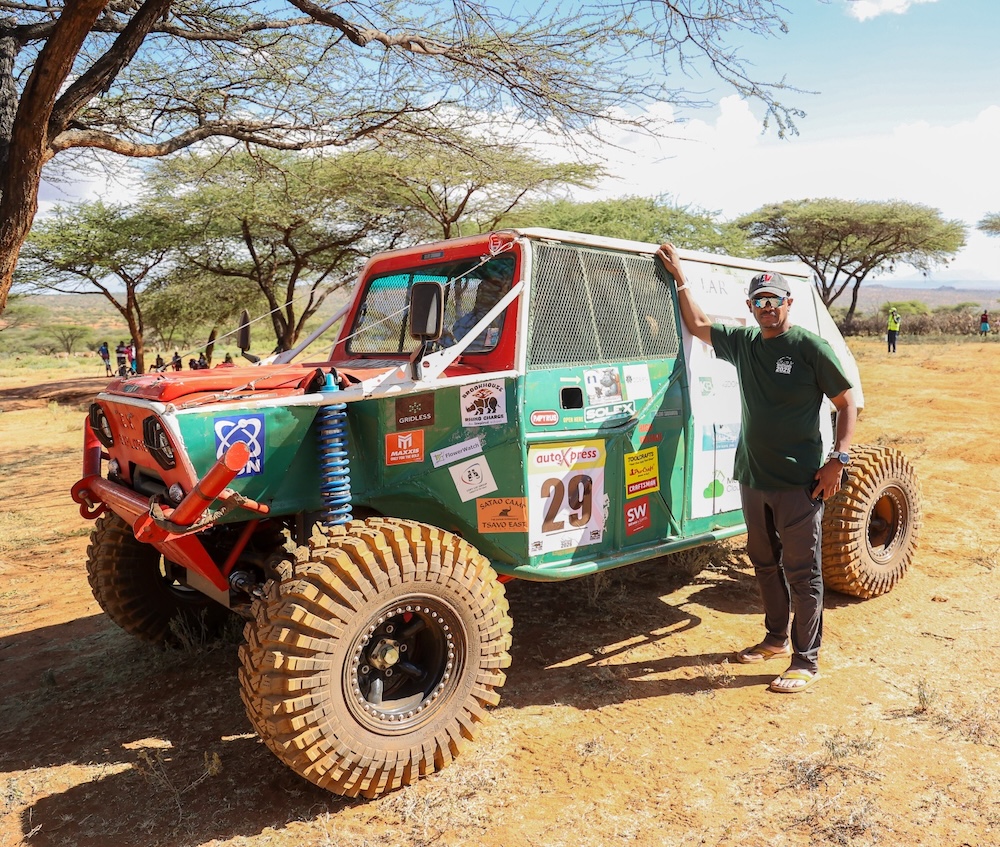
Rhino Charge 2026: 65 Cars Set for Africa’s Toughest 4×4 Challenge in Samburu
The stage is set for the 37th edition of the Rhino Charge, Kenya’s iconic off-road motorsport and conservation fundraising event, which takes place tomorrow, Saturday, May 30, at Ngilai in Samburu County.
This year’s challenge will bring together 65 competing vehicles across three categories Modified, Super Modified and Unmodified as teams navigate some of the country’s toughest terrain while raising funds for environmental conservation.
Among the notable entrants are Safaricom-sponsored teams: EV Explorers led by Richard Kiplagat, AK44 led by Adil Khawaja and the all-women team Zambarau Heels on Wheels.
The annual event raises funds for the conservation initiatives of Rhino Ark Kenya Charitable Trust, supporting the protection and restoration of Kenya’s mountain ecosystems, commonly known as the country’s vital “Water Towers.”
KES 114 Million Sponsorship Boost
This year’s Rhino Charge has received Kes 114 million in sponsorship support from M-PESA Foundation and Safaricom PLC.
M-PESA Foundation, Safaricom’s social impact arm, committed KES 94 million towards Rhino Ark’s conservation projects, including the protection of the Mount Elgon Forest (Suam Block) and restoration efforts within the Mau Forest Complex spanning Narok, Kericho and Bomet counties.
Safaricom PLC contributed KES 20 million to support participating teams and provide network connectivity at the event site.
Under the sponsorship package, Car No. 44 (AK44) received Kes 15 million, while EV Explorers and Zambarau Heels on Wheels each received Kes 1 million to support their participation. The remaining Kes 3 million has been allocated towards communications and connectivity infrastructure during the event.
“The car is in great condition and the entire team is excited and ready to take on the course. I would like to sincerely thank all our sponsors, especially Safaricom and M-PESA, for their tremendous support. As defending top fundraisers, we are hopeful of retaining our position while continuing to champion this noble cause of environmental conservation,” said Adil Khawaja, Team Lead, Car No. 44 (AK44).
Building on a Record-Breaking Year
The 2025 Rhino Charge, held at Simo-Soi in Baringo North, raised an impressive Kes 269.5 million for conservation efforts.
AK44, led by Adil Khawaja, emerged as the highest fundraising team after raising Kes 139.8 million. Car No. 23, led by Peter Kinyua, finished second with KES 13.5 million, while Car No. 63, led by Tim Carstens, secured third place after raising KES 8.6 million.
Speaking ahead of the event, Rhino Ark Executive Director Christian Lambrechts confirmed that all preparations had been completed.
“The stage is fully set for this year’s Rhino Charge, with 65 car entries ready to take on the challenge. Today’s scrutineering process was focused on ensuring that all participating vehicles meet the required standards, and I am pleased to confirm that everything is in place, including the necessary security arrangements. We are grateful to all our sponsors and partners whose support continues to make this iconic event possible,” said Lambrechts.
EV Explorers Return for Second Attempt
One of the most closely watched teams will be EV Explorers, whose electric vehicle made history during its debut appearance in last year’s competition.
The team returns this year with improvements aimed at enhancing performance and reliability on the demanding course.
“This marks our second participation in the Rhino Charge with an electric vehicle, following last year’s historic debut of an EV in the competition. We gained valuable lessons from that experience and have since made significant improvements to the vehicle. As a team, we feel more confident and better prepared for tomorrow’s challenge,” said Richard Kiplagat, Team Lead, EV Explorers.
For nearly four decades, the Rhino Charge has combined adventure motorsport with conservation impact, helping fund projects that safeguard Kenya’s forests, water catchment areas, biodiversity and communities that depend on these ecosystems.