TikTok Invests $200K in AI Literacy in Africa
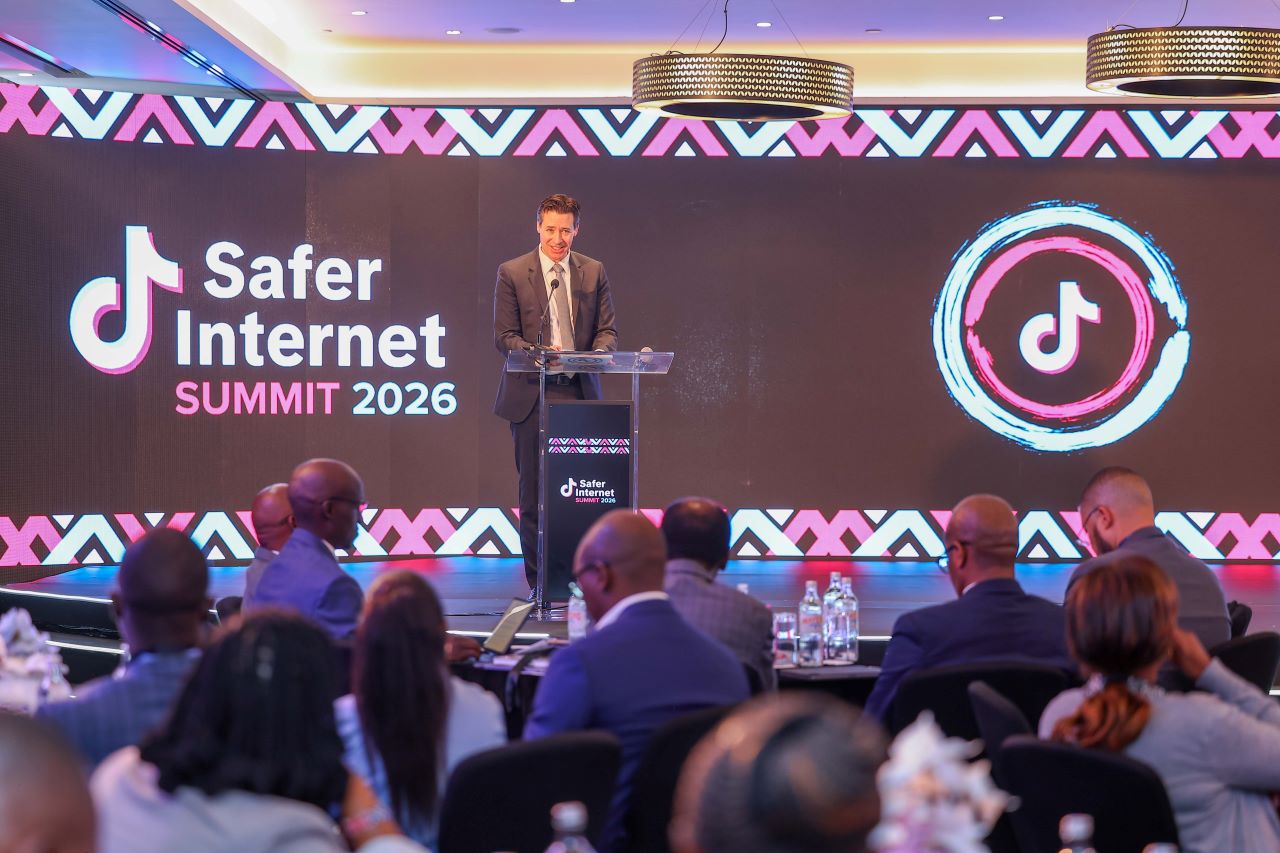
TikTok has announced an additional $200,000 investment in AI media literacy initiatives across Sub-Saharan Africa, during the third annual Sub-Saharan Africa Safer Internet Summit held in Nairobi.
The two-day summit brought together government officials, regulators, online safety partners, and technology leaders from across the region to discuss how to strengthen digital safety and responsible technology use.
Held under the theme “#SaferTogether: Innovation and Safety,” the event focused on collaborative solutions to emerging digital challenges, including AI governance, online safety for young users, and misinformation.
The summit series began in Ghana in 2024 and continued in Cape Town in 2025, with the Nairobi gathering marking the third edition and the largest so far.
Strengthening Collaboration on Online Safety
Speaking during the summit, Tokunbo Ibrahim, Head of Government Relations and Public Policy for Sub-Saharan Africa at TikTok, said the platform is focused on building partnerships that strengthen digital safety across the region.
“As we host the third annual Safer Internet Summit here in Kenya, our mission is clear: to share learnings, tackle common challenges, and collaboratively advance actionable solutions that protect citizens online,” said Ibrahim.
“By bringing together policymakers, tech innovators and creators, we are ensuring these conversations lead to a more resilient digital landscape.”
The summit featured expert panels and discussions covering TikTok’s trust and safety systems, protecting young people online, and policy frameworks for responsible artificial intelligence governance.
Opening the event, Kenya’s Cabinet Secretary for Information, Communications and the Digital Economy, William Kabogo, highlighted the importance of collaboration between governments and technology companies.
“This gathering reflects our government’s commitment to collaboration, sector growth, and ensuring a safe digital space for all,” said Kabogo.
“As we embrace the opportunities of the digital era, we must protect our people by advancing digital innovation, responsible AI governance, and strong regional partnerships.”
$200,000 Investment to Expand AI Media Literacy
A major highlight of the summit was TikTok’s announcement of an additional $200,000 in ad credits aimed at supporting local organisations that promote AI media literacy across Sub-Saharan Africa.
The funding builds on the company’s $2 million AI Literacy Fund launched in November 2025, which supports global nonprofits creating educational content to improve public understanding of artificial intelligence.
Also read: M-PESA Hits 40 Million Customers at 19 Years
In Sub-Saharan Africa, the initiative already supports several organisations working to promote digital literacy and combat misinformation, including:
Mtoto News (Kenya) – producing educational content to help young people understand and responsibly engage with AI technologies.
Africa Check – expanding fact-checking initiatives across Nigeria, South Africa and Kenya, helping audiences identify AI-generated misinformation and deepfakes.
Centre for Journalism Innovation and Development (CJID) – supporting fact-checking efforts through its platform DUBAWA, which focuses on combating information disorder across African media ecosystems.
According to Valiant Richey, TikTok’s Global Head of Partnerships, Elections and Market Integrity, the partnerships are designed to make AI literacy programs more effective at the local level.
“With the rapid advancement of AI, we are committed to educating our community so they feel empowered to have responsible experiences with AI, whether as viewers or creators,” said Richey.
“Partnering with trusted local organisations ensures these programs are relevant and impactful.”
AI Transparency and Content Safety
TikTok also outlined how artificial intelligence is being used across the platform to enhance safety, improve content moderation, and support creative tools for users.
Delegates at the summit learned about the company’s multi-layered approach to AI transparency, which includes:
Requirements for creators to label realistic AI-generated content
Advanced detection systems for AI-generated media
Collaboration with the Coalition for Content Provenance and Authenticity (C2PA)
Technologies such as Content Credentials and invisible watermarking that help identify AI-generated content online
The platform also highlighted improvements in its automated moderation systems, which work alongside human review teams to detect harmful content faster.
According to TikTok’s Community Guidelines Enforcement Report for Q3 2025, the platform removed more than 14 million videos across Sub-Saharan Africa, with 96.7% detected and removed proactively through automated systems before users reported them.
With over 100 million pieces of content uploaded to TikTok daily, the company says its AI-powered moderation tools are helping identify and remove violating content faster and more consistently.
Regional Commitment to Digital Safety
The summit concluded with commitments from participants to continue strengthening digital safety initiatives, AI literacy programs, and cross-border collaboration across Sub-Saharan Africa.
Organisers say the discussions and partnerships formed during the Nairobi event will help shape future policies and initiatives aimed at building a safer and more resilient digital ecosystem across the region.