Wikipedia Celebrates Women Editors Shaping Knowledge for the World
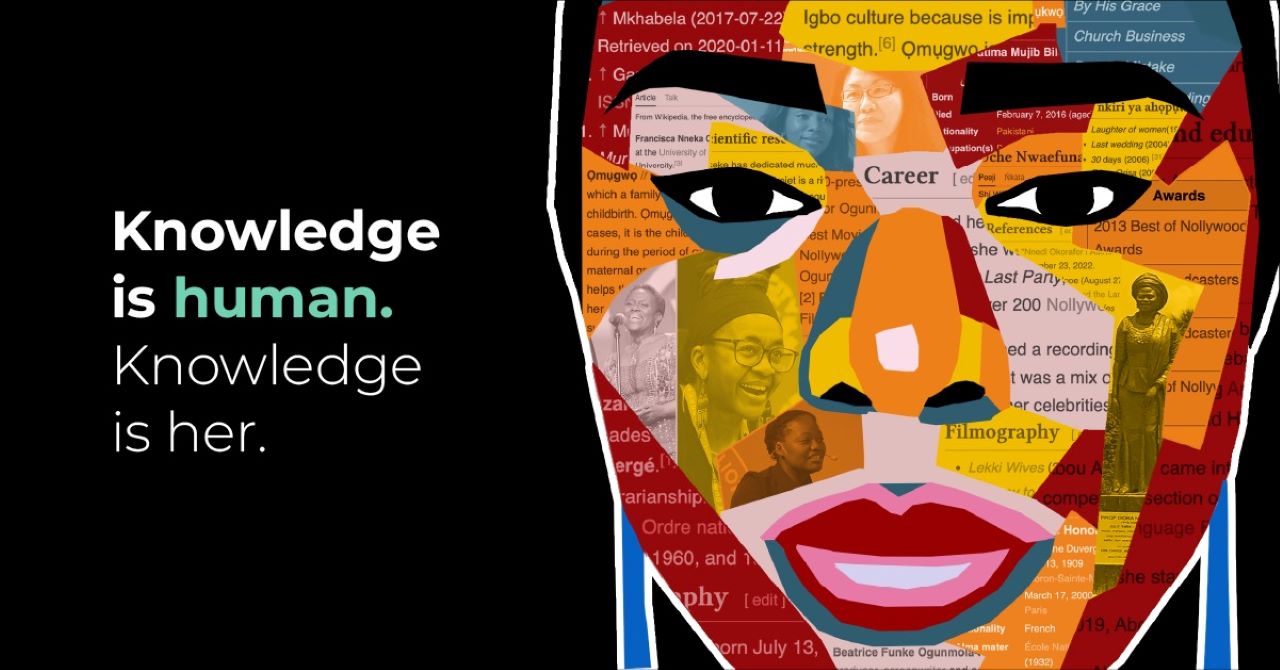
The Wikimedia Foundation, the nonprofit that hosts Wikipedia and other Wikimedia projects, today announced the launch of its “Knowledge is Human. Knowledge is Her” campaign. Coinciding with International Women’s Day, the campaign celebrates the human contributors – including those from Africa – who are working tirelessly to ensure that more content about women appears on Wikipedia.
Wikipedia is the largest encyclopedia in human history. Its more than 64 million articles are the result of generous contributions from hundreds of thousands of Wikimedians, which is the name given to its volunteer editors. Together, they compile and share information on notable subjects, citing reliable sources, according to the encyclopedia’s editorial policies and guidelines. They embody the belief that knowledge is human.
Wikipedia depends on the availability of existing published sources to verify the facts in its articles. But, because women have been left out of historical narratives and traditional sources of knowledge, many of these knowledge gaps are present on Wikipedia.
Bridging the Gender Gap in Knowledge
“This International Women’s Day, we are celebrating the humans that are writing women back into history, and playing a vital role in growing knowledge on one of the most visited websites,” said Anusha Alikhan, Wikimedia Foundation Chief Communications Officer. “More content about women and more women contributing to Wikipedia helps create a knowledge base that better represents our communities. By sharing these stories, we hope to inspire people everywhere to learn about these efforts and join a movement that matters to how we all see the world.”
This year’s campaign not only celebrates Wikimedia editors but also those who are helping in other ways to contribute to knowledge on Wikipedia, through organizing editing events, workshops, campaigns and other initiatives.
“We are excited to showcase the incredible work of Wikimedia contributors. Their stories range from librarians who have found Wikipedia’s Citations Needed initiative inspiring, female volunteers passionate about writing about other women in their country, or those that feel strongly about bringing knowledge from their language, or country on to Wikipedia,” said Masana Mulaudzi, Senior Manager of Campaign Organizing at the Wikimedia Foundation. “These volunteers are helping Wikipedia’s content reflect the whole world, in all its richness of culture and language. You might not know her, but you might have read her work.”
Some of the volunteers that are doing this work in Africa include:
Carol Mwaura, user:Cmwaura, from Kenya
With 2,000+ edits, Carol expands Wikipedia’s coverage of women while mentoring new editors. A meticulous librarian, she identifies content gaps, researches sources, and translates articles into Swahili. Recognized as a top editor in Africa during #1Lib1Ref 2020, she remains dedicated, often editing on the go.
This year, Carol is also helping organize Wikimania 2025 in Nairobi. The annual conference invites Wikimedians from all over the world to share, connect, and learn from one another.
Goodness Ignatious, user:Olugold, from Nigeria
Goodness has made 16,000+ Wikimedia edits, creating articles and mentoring new editors while promoting women’s issues and Igbo content.
Agbenomba Abigaïl, user:aimeabibis, from Benin
Abigail has made over 9,000 contributions to Wikimedia, including 270+ new articles on French Wikipedia, covering topics from pop culture to politics. Passionate about gender equality, she organizes training, workshops, and campaigns, including “Gender Equality in Benin,” which helped create 660 new articles and improve 1,150 pages.
Wikipedia’s importance has only increased in today’s world of generative AI. Almost every Large Language Model, including those that drive tools like ChatGPT, relies on Wikipedia data as their primary source for training. Wikipedia must represent all the world’s people and knowledge because of how much people use it.
Join the celebration
To learn more about the campaign and wider efforts to close the gender gap on Wikipedia, visit the Knowledge is Human. Knowledge is Her campaign page.