Women in Kenyan Politics: Who Gets Seen Ahead of 2027?
As Kenya heads towards the 2027 General Election, the question of who gets a political platform is increasingly tied to another question: who gets seen, heard and taken seriously by the media?
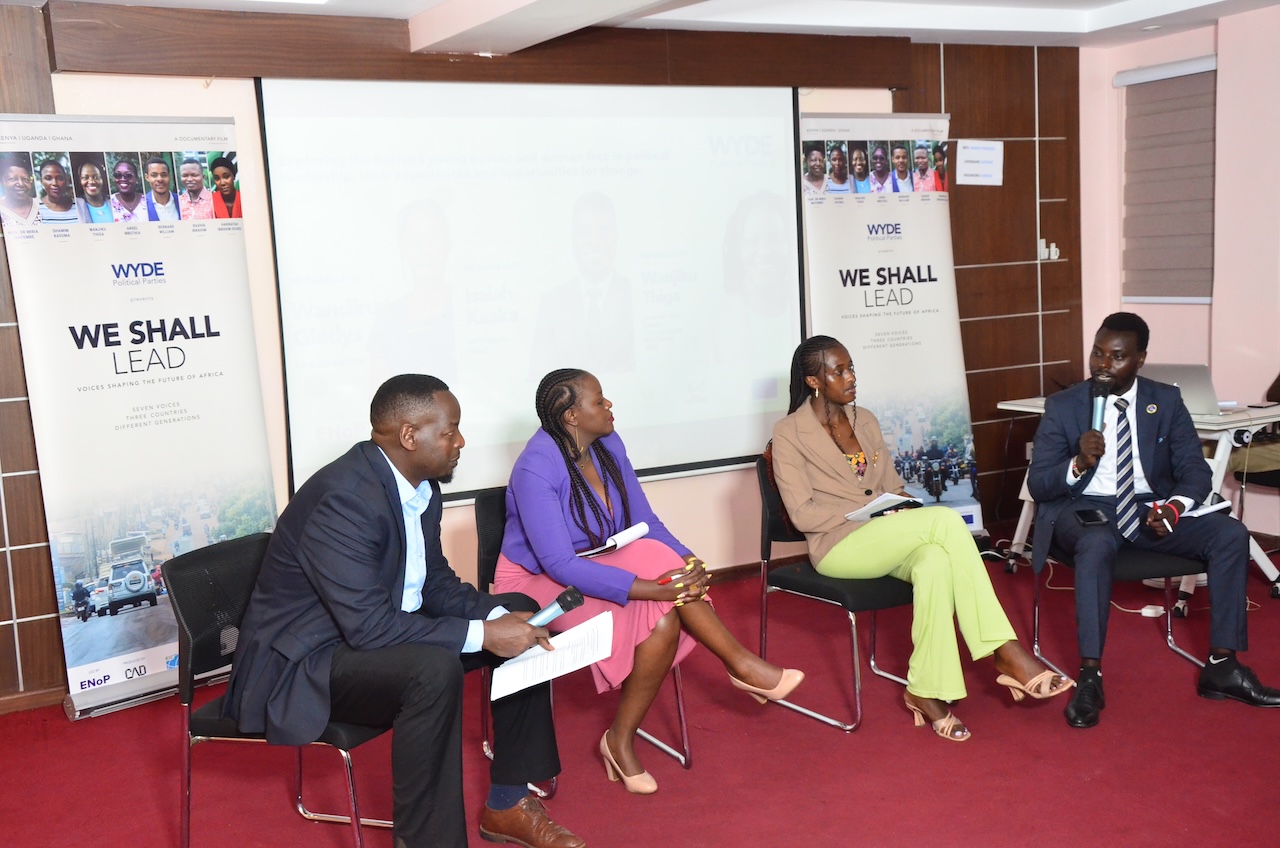
That question took centre stage at the We Shall Lead Media Salon in Nairobi, where journalists, editors and political leaders examined the barriers facing women and young people seeking political office and the role newsrooms play in shaping public perceptions of leadership.
Held at Waridi Paradise Hotel & Suites, the forum brought together political aspirants and media practitioners for discussions on political participation, campaign financing, party nominations, harassment and the editorial choices that determine which candidates receive visibility.
The salon was organised under the WYDE Political Parties project as part of wider engagement around We Shall Lead: Voices Shaping the Future of Africa, a documentary following women and young political leaders in Kenya, Uganda and Ghana.
The documentary examines why young people and women continue to enter politics despite the financial, institutional and personal challenges that come with seeking political office.
The barriers facing women and young leaders
The first panel, titled “Women, Young People, Power and Political Participation,” brought together Kajiado West MP aspirant Isaiah Kaaka, Kibra MP aspirant Wandiru Gladys and Democracy for the Citizens Party National Youth Leader Wanjiku Thiga.
For Kaaka, age should not determine the level of political office a young person can pursue.
“People can now choose a leader not by how much money is in their pocket or the bank,” he said.
He also challenged the idea that young politicians should limit themselves to lower elective positions.
“We should not have the mentality that because you are young, you should only vie for the MCA position; you can also vie for big positions.”
For young women, however, the obstacles can take a more personal and threatening form.
Gladys pointed to harassment as one of the realities confronting women seeking political office.
“Harassment is very real, especially for us young women.”
She said political competition should not come at the expense of personal safety, arguing that political contests should not become a reason for people to hurt one another.
Wanjiku identified campaign financing as one of the areas she would change, while also calling on voters to move away from tokenism when considering young candidates.
The discussion reflected some of the challenges that can determine who gets to compete for political office before voters even cast their ballots.
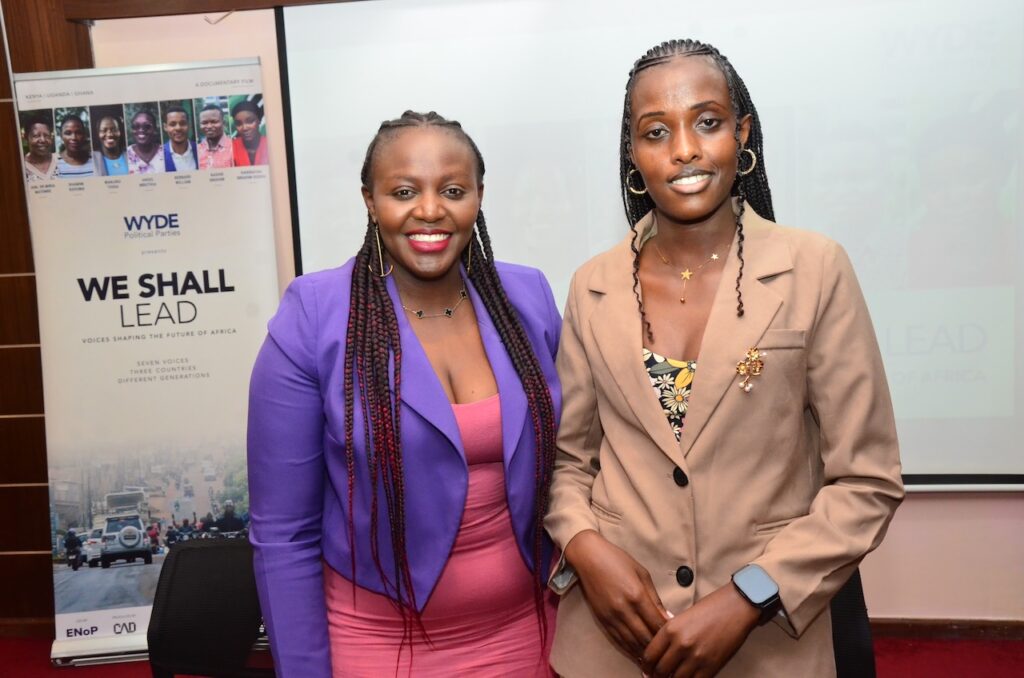
The media question
The second panel shifted the focus from political parties and campaigns to newsrooms.
Under the theme “Changing the Narrative: How Does the Media Frame Young and Women Political Leaders?”, Citizen Digital Sub-editor Ela Obota, Nation Media Group Political Reporter Mary Wangari and Transworld Radio General Manager Tom Japani discussed the role of editorial decisions in shaping political visibility.
Obota noted that bias can enter the process before a story reaches the public, affecting which candidates are considered newsworthy and who is treated as a serious political contender.
She also pointed to differences in how women and young politicians can be portrayed, with coverage sometimes placing greater emphasis on personality or age rather than political ideas.
Her advice to journalists was straightforward.
“When covering a story about a candidate, just apply the same editorial test you would use to gauge a male aspirant versus a female aspirant or a young aspirant,” she said.
That raises a bigger question for newsrooms: are candidates being judged by the same editorial standards, regardless of their gender or age?
Leaders also have a responsibility
While much of the conversation focused on media responsibility, the panel also placed responsibility on political aspirants themselves.
Wangari said women and young leaders who secure media opportunities need to use them to explain their policies and what they intend to deliver for voters.
“Women and young people struggle to get a platform to address the people so when you are given the platform do not use it to malign your competitors but tell people what you will do for them,” she said.
Japani similarly encouraged young and female aspirants to engage with media platforms and their communities rather than waiting for coverage to come to them.
The discussion exposed a two-way challenge.
Political aspirants need to make themselves accessible, communicate clear ideas and engage voters. Newsrooms, at the same time, have a responsibility to examine how their choices around story selection, framing and visibility can reinforce or challenge existing political stereotypes.
Looking ahead to 2027
With the 2027 elections approaching, the debate over representation is likely to become increasingly important.
Political participation is shaped by factors such as money, party structures and personal safety. But visibility matters too. Candidates who receive sustained attention have a greater opportunity to introduce themselves to voters, explain their ideas and establish political credibility.
The Media Salon provided a space for journalists and political actors to examine that relationship before the campaign season intensifies.
For women and young people seeking elective office, the challenge is therefore twofold: gaining access to political spaces and being taken seriously once they enter them.
For the media, the challenge is to question the assumptions that influence who gets coverage, how candidates are portrayed and which political voices become part of the public conversation.
As Kenya moves towards 2027, those editorial decisions could play a significant role in shaping how voters see the next generation of political leaders.
Follow us on X, Instagram and Facebook for the latest stories, trends and updates from Nairobi and beyond.