Zuri Health’s Mobile Hospital Revolutionizing Healthcare Access
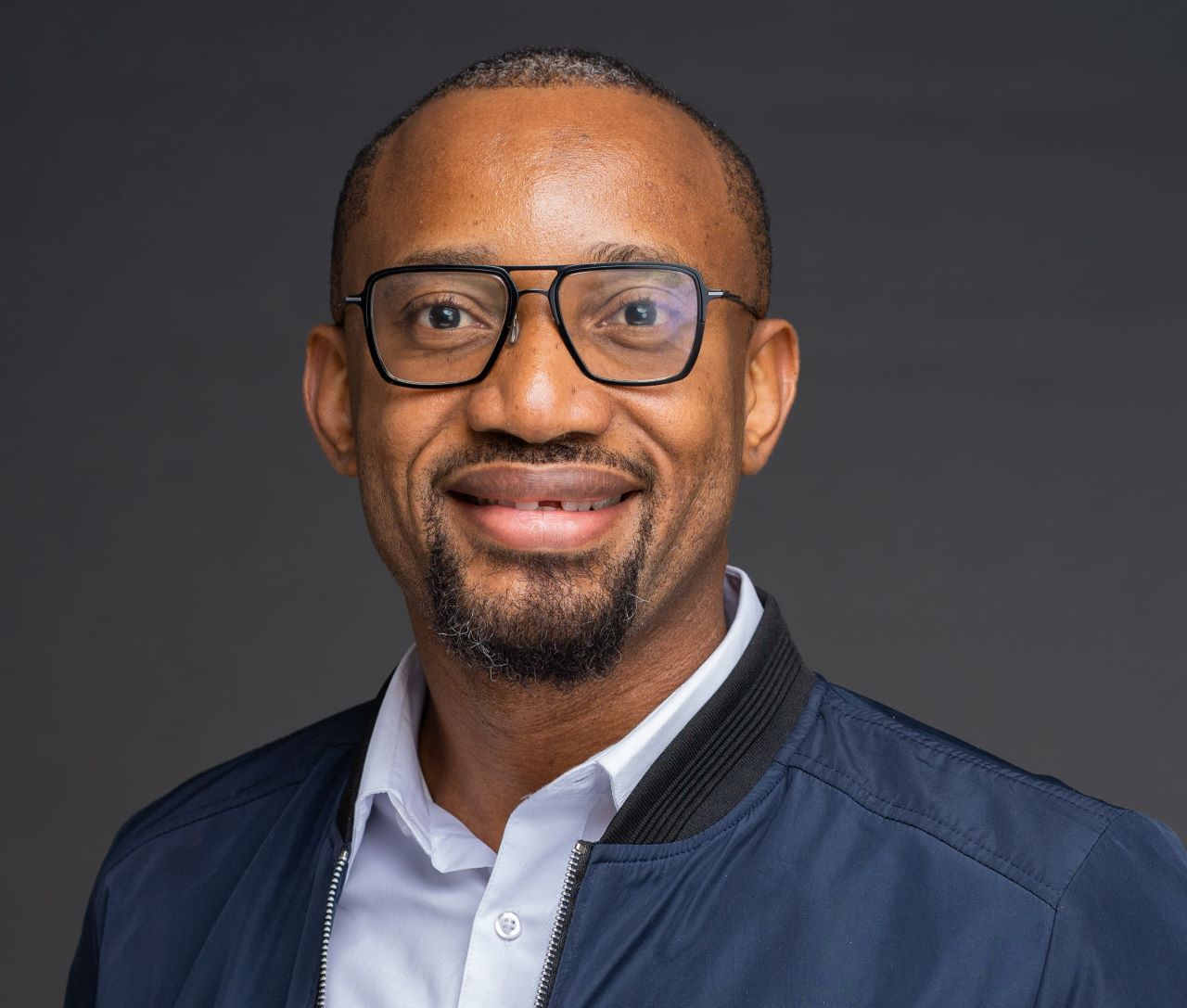
Last Saturday, I had a sit-down with Ikechukwu Atho Anoke at the M-Pesa Foundation Medical Camp in Wote, Makueni County, to discuss the transformative impact of mobile medicine. For underserved communities, access to healthcare remains a challenge, and initiatives like Zuri Health’s Hospital are bridging this gap by bringing essential services closer to the people.
Please introduce yourself. What is your name and what do you do?
My name is Ikechukwu Atho Anoke, CEO Zuri Health
What inspired Zuri Health to launch a hospital on wheels and how does it enhance healthcare access?
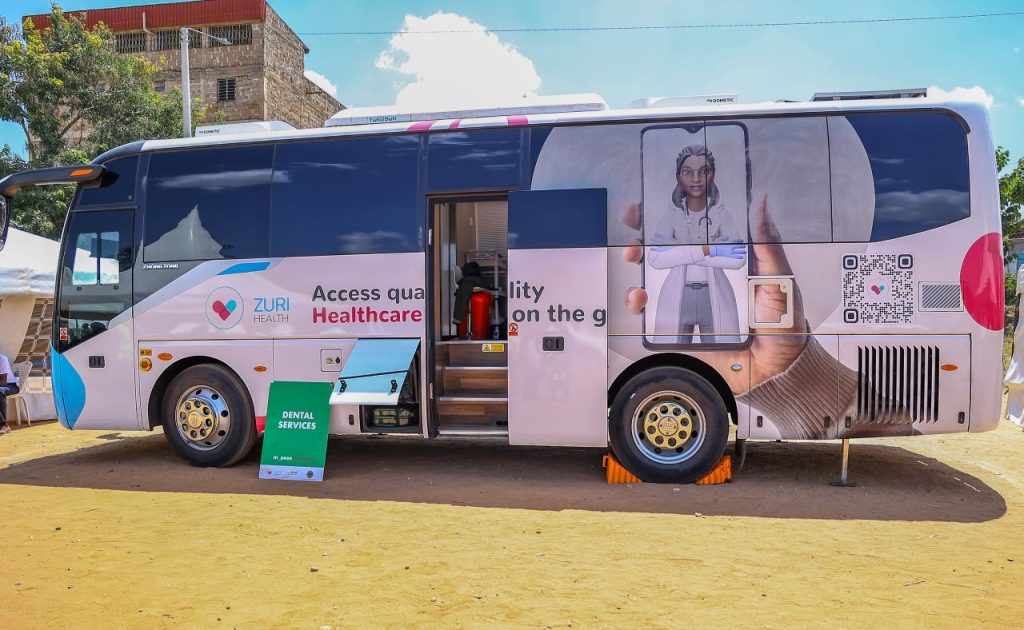
This bus is called Rema, meaning God’s spoken word. My co-founder lost her child in an emergency while in transit to the hospital, despite having the means to afford any healthcare. It was only fitting for us to take the hospital to communities.
At Zuri Health, as a digital tech company, we aim to deliver healthcare to everyone, wherever they are, through mobile phones. However, we recognize that some medical services cannot be provided digitally, and we strive to bridge that gap. We believed the best solution was to introduce a fully equipped mobile hospital.
This bus has its own X-ray suite, dentist suite, and laboratory among other functions. Additionally, it has an independent water system and power generation. Our goal is to bring mobile healthcare even to areas facing infrastructure challenges, which is the core reason behind this initiative.
Do you have life-saving equipment on board or how does the mobile clinic deal with emergencies?
We offer life-saving services to a realistic extent, including some complex tests and treatments. However, in case of an emergency, an ambulance transports patients to a hospital where they can receive care in a more controlled environment. Since Rema is a large bus, it is not as quick or easy to navigate through roads and traffic like an ambulance. Instead, we focus on stabilizing patients before transferring them to a hospital using smaller, more flexible vehicles.
Which communities or regions does Rema serve so far and how do you determine the areas of greatest need?
This bus has traveled to 30 counties across Kenya, reaching remote areas such as Turkana, Baringo, Kisumu, Mombasa, and Kwale. It has covered some of the farthest parts of the country, highlighting the widespread need for healthcare services. Through our partnership with M-Pesa Foundation, we aim to extend healthcare access to every corner of Kenya. Even in counties we have already visited, we will continue returning to ensure we reach every community in need.
65% of Kenyans live in underserved communities and these are areas where lack of infrastructure means lack of access to health.
What challenges do you face in running Rema?
The Zuri Health’s mobile clinic costs around Ksh.70 million, making this a very expensive endeavor. How many can we afford to deploy across different parts of the country? Secondly, the equipment is highly specialized, and maintaining it to ensure it remains in good condition is extremely costly. Additionally, finding spare parts is challenging, as we have to import them.
We also have talent challenges. When the bus first came, the drivers had to be specifically trained to be able to maneuver with it because of its size.
What partnerships has Zuri Health formed to support the sustainability and expansion of the mobile health initiative?
This partnership with M-Pesa Foundation has been very important to Zuri Health’s. We also collaborate with Betika, taking these mobile clinics to sports events and providing healthcare access to surrounding communities through Betika Community initiatives.
How does the mobile hospital accommodate specialized healthcare needs such as maternal care or chronic disease management?
Rema has a lab in it, from which we conduct even sensitive cancer screenings. We also perform ultrasounds and tests for diseases such as diabetes. For maternal health, we provide women with access to contraceptives and cervical cancer screenings. Additionally, we run continuous care programs like Zuri Mama, which engages the community in caring for mothers and individuals with chronic conditions.
Do you have data for impact?
With these camps, Zuri Health’s reached nearly 100,000 people. Out of those, over 20,000 have received continuous follow-up care. Around 10,000 individuals have been enrolled in chronic care programs for hypertension and diabetes, with over 50% receiving support for refills, medication management, and nutritional guidance. Additionally, we have provided insurance to over 500 people through NHIF and SHA.
Do you have any stand-out testimonials?
A lot. We have seen people whose HB levels dropped from dangerously high to controllable levels. A pregnant woman in Rongai, whose baby had no fetal movement, would have lost her pregnancy without emergency care. We have also provided access to treatment for cancer patients. There are countless stories of incredible impact.
What future plans does Zuri Health have for expanding mobile healthcare services in the country?
Rema 2 is on its way here, and it is much bigger than this one, with more capacity. The goal is to ensure that no community is left behind and that access to healthcare continues to reach different communities.