Samsung AI Chips at GTC 2026
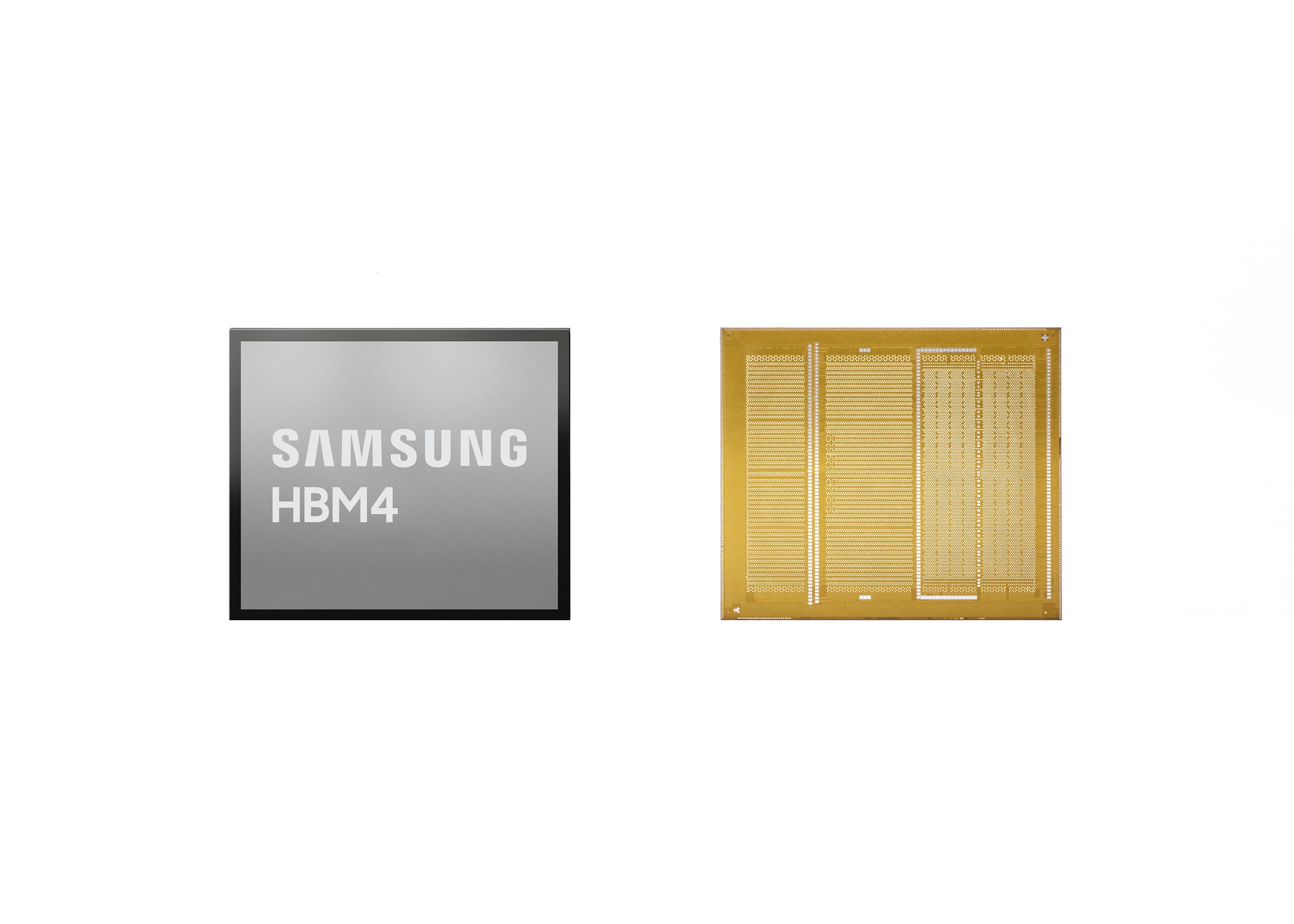
Samsung Unveils HBM4E and Expands AI Infrastructure Vision at NVIDIA GTC 2026
At this year’s NVIDIA GTC 2026, Samsung Electronics presented a clear message: the future of artificial intelligence will be built on faster, more efficient, and fully integrated semiconductor systems.
The company used the global stage in San Jose to showcase its expanding role in AI infrastructure, introducing new memory technologies, deepening its collaboration with NVIDIA, and outlining how it plans to support next-generation AI systems—from data centers to personal devices.
HBM4 and HBM4E Take Center Stage
At the heart of Samsung’s announcement is its sixth-generation High Bandwidth Memory, HBM4, which is now in mass production. Designed for NVIDIA’s upcoming Vera Rubin platform, HBM4 delivers processing speeds of up to 11.7Gbps, with potential to reach 13Gbps—well above current industry standards.
Alongside it, Samsung introduced HBM4E, a next-generation memory solution capable of delivering 16Gbps per pin and bandwidth reaching 4.0TB/s. This positions it as a key enabler for increasingly complex AI workloads, particularly in large-scale data centers.
Samsung is also pushing the limits of memory architecture through hybrid copper bonding technology. This approach allows for stacking 16 or more memory layers while reducing heat resistance by over 20 percent, addressing one of the biggest challenges in high-performance computing.
Strengthening the NVIDIA Partnership
A major highlight of Samsung’s presence at GTC was its growing collaboration with NVIDIA. The partnership spans semiconductor design, manufacturing, and AI infrastructure development.
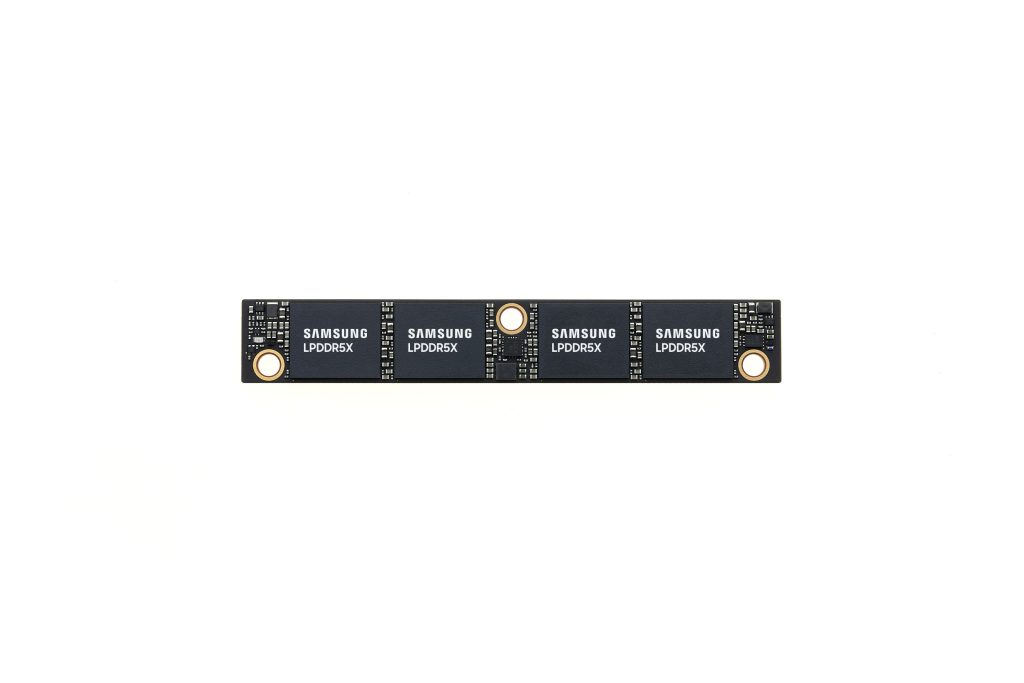
Samsung showcased a range of technologies optimized for NVIDIA systems, including HBM4, SOCAMM2 memory modules, and high-performance SSDs like the PM1763. These components are designed to support demanding AI workloads, offering both speed and energy efficiency.
SOCAMM2, in particular, stands out as a low-power DRAM solution built for scalable AI servers, while the PCIe 6.0-based PM1763 SSD addresses the need for faster data transfer and higher storage capacity in modern AI environments.
AI Factories and Digital Twin Manufacturing
Beyond hardware, Samsung is investing in how AI transforms manufacturing itself. The company highlighted its work with NVIDIA on AI Factory development, where accelerated computing and digital twin technology are used to simulate and optimize semiconductor production.
This approach integrates tools like NVIDIA Omniverse to replicate real-world manufacturing environments, improving efficiency from chip design to production. The goal is to create a fully connected system where AI enhances every stage of the semiconductor lifecycle.
Extending AI to Personal Devices
Samsung’s AI ambitions are not limited to large-scale infrastructure. The company also introduced memory solutions tailored for on-device AI, including LPDDR5X and LPDDR6.
LPDDR5X offers speeds of up to 25Gbps per pin while reducing power consumption by up to 15 percent, enabling smoother mobile experiences and AI-driven applications. Meanwhile, LPDDR6 pushes performance further, reaching 30–35Gbps per pin and introducing advanced power management features suited for next-generation edge AI.
These developments point to a broader strategy: bringing AI capabilities closer to users, not just keeping them in the cloud.
A Full-Stack AI Approach
What sets Samsung apart is its ability to deliver a complete AI semiconductor stack, spanning memory, logic, foundry, and advanced packaging. This end-to-end capability allows the company to play a central role in shaping how AI systems are built and scaled.
From hyperscale data centers to everyday devices, Samsung is positioning itself as a key enabler of the AI era, focused not just on performance, but also on efficiency, scalability, and real-world application.