
Your Companion to AI Living: Samsung at CES 2026
Samsung’s AI Push at CES 2026 Feels Personal, Useful, and Occasionally Unsettling
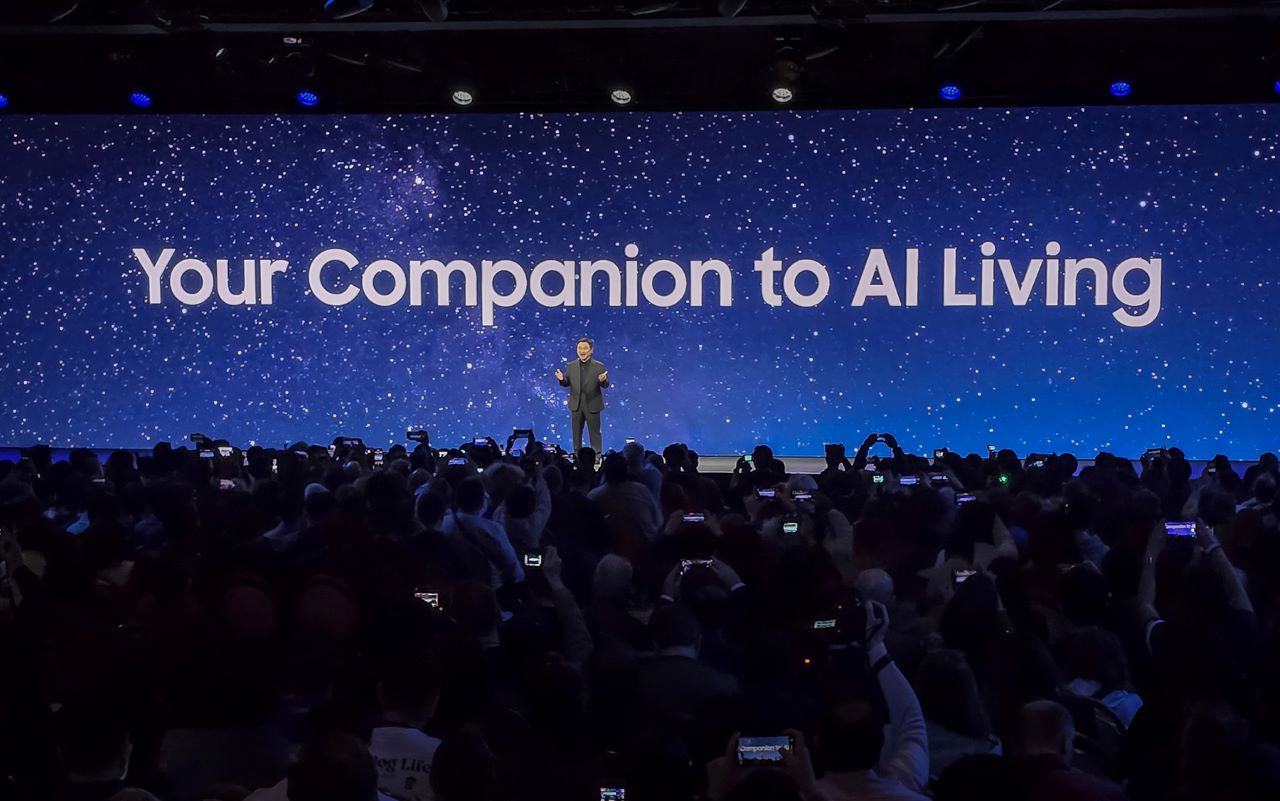
Las Vegas rarely does subtle, and neither does Samsung. At CES 2026, the company used its First Look event to frame Your Companion to AI Living as the direction it wants your home, screens, and devices to take. The idea sounds polished, but the execution matters more than the slogan. What Samsung showed points to a future where AI sits quietly in the background, nudging your habits, learning your routines, and sometimes watching more than you might expect.
Speaking at the event in Las Vegas, Samsung Electronics laid out a vision built around connected devices that talk to each other without friction. Phones, TVs, appliances, and wearables now sit under one AI-driven umbrella. According to TM Roh, the company’s goal is a unified experience across everyday tech. “Samsung is building a more unified, more personal experience across mobile, visual display, home appliances and services,” he said.
That ambition ran through every product category Samsung touched during the event.
AI moves to the center of the TV experience
Samsung’s display business leaned heavily into AI as a control layer rather than a feature you toggle on and off. The headline hardware was a 130-inch Micro RGB TV, built around individual red, green, and blue light sources that operate independently. The result is color accuracy that looks closer to professional cinema gear than a living room screen, at least in controlled demos.
More interesting than size or brightness was Vision AI Companion, which Samsung pitched as a system that reacts to context. You can ask your TV for viewing suggestions, recipe ideas based on what appears on screen, or even mood-based music. Voice commands adjust crowd noise during football matches or isolate commentary. Samsung says this works across its 2026 lineup, from Micro LED to entry-level UHD sets.
Samsung also confirmed that its 2026 TVs will be the first to ship with HDR10+ Advanced support across supported models. Audio received similar attention through Eclipsa Audio, a spatial sound system that will come standard across the range.
The company also committed to seven years of Tizen OS updates, a quiet but meaningful promise in a market where smart TVs often age faster in software than hardware.
Home appliances that watch, track, and suggest
In the kitchen and laundry room, Samsung pushed AI deeper into daily routines. SmartThings now serves more than 430 million users globally, a number Samsung used to justify how much data its systems can learn from. That scale shows up most clearly in the Family Hub refrigerator.
The updated Family Hub uses AI Vision powered by Google Gemini to recognize food items placed inside and track what leaves the fridge. Samsung says this makes meal planning easier and reduces waste. A weekly FoodNote report summarizes usage patterns and flags items you may need to restock. The fridge can also suggest recipes through a feature called “What’s for Today?” and send step-by-step cooking instructions to connected appliances.
Samsung acknowledged limits here. AI Vision does not recognize items in freezers, and misidentifications still happen. Users may need to correct entries manually, and the internal camera activates a visible red light when in use.
Laundry also received attention through the Bespoke AI Laundry Combo, which removes the need to move clothes between washer and dryer. The updated model runs faster cycles and improves drying efficiency. Samsung also showed the Bespoke AI AirDresser, which uses steam and air to reduce wrinkles on hanging clothes.
Robots, insurance, and a wider definition of “home”
Samsung’s robot vacuum, the Bespoke AI Jet Bot Steam Ultra, stood out for reasons beyond cleaning. It can detect liquid spills as small as 15 ml and identify transparent liquids like water. The onboard camera doubles as a home monitoring tool when you are away, sending alerts if it detects pets or unusual movement.
This level of visibility raises questions about surveillance inside private spaces, even as Samsung stresses data protection through Knox and Knox Matrix. The company says it actively tests AI models for risks before deployment.
One of the more unexpected announcements was a partnership with Hartford Steam Boiler. Samsung claims connected appliances could help reduce home insurance premiums by lowering risk. The pilot launched in the US in 2025 and will expand further in 2026.
Health shifts toward prevention
Samsung also outlined plans for AI-driven health monitoring across phones, wearables, and home devices. The pitch centers on prevention. Devices could flag irregular sleep patterns, mobility changes, or speech shifts and prompt users to seek professional advice. Health data sharing would run through the Xealth platform, with user consent.
Samsung confirmed it is expanding dementia research using wearables to detect subtle changes over time. This area remains largely in research stages, but it signals how far Samsung wants AI to extend into personal health.
What this means for you
Samsung’s CES 2026 presentation shows a company betting heavily on AI as infrastructure rather than novelty. Your Companion to AI Living frames technology as something that anticipates needs instead of waiting for commands. In practice, that means more convenience, fewer manual steps, and tighter integration across devices you already own.
It also means more data moving through your home, more cameras and microphones doing their jobs quietly, and a deeper reliance on one ecosystem. Samsung says security evolves alongside its AI systems, but the balance between usefulness and oversight will depend on how much control users actually get.
The Samsung exhibition runs from January 4 to January 7 at CES. What happens after the lights dim in Las Vegas will matter more. That is where these ideas meet real homes, real habits, and real concerns about privacy and control.


